Essential Skills Every Freelancer Needs to Succeed
Learn the top essential skills for freelancers from my personal experience. Master time management, communication, marketing, and more to grow your freelance career successfully.
Main Highlights Regarding Essential Skills Every Freelancer Needs
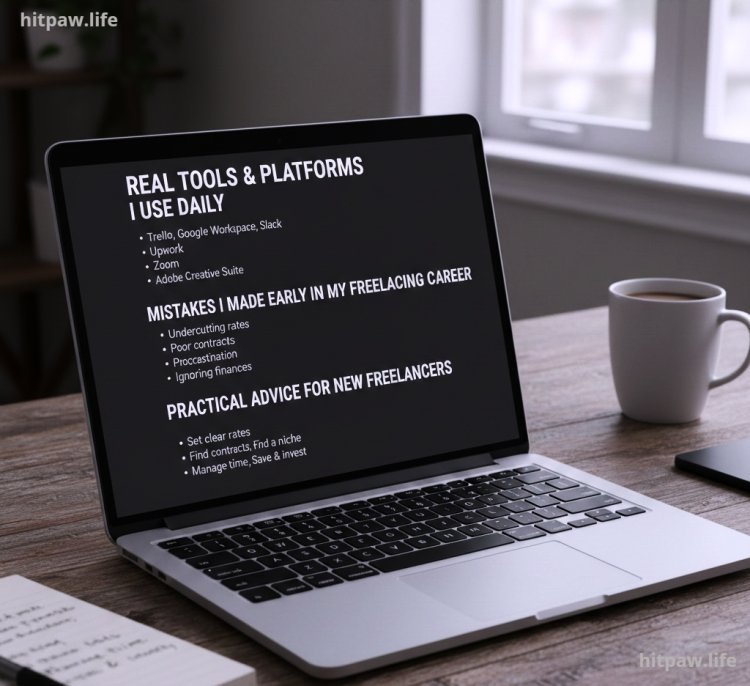
• Understanding the core skills that make freelancing successful.
• How I built my skill set step by step.
• Real tools and platforms I use daily.
• Mistakes I made early in my freelancing career.
• Practical advice for new freelancers.
How I Learned the Skills That Made Me a Successful Freelancer
When I first started freelancing, I thought it was just about picking up projects online and delivering work. But very quickly, I realized that without certain skills, even the best work could go unnoticed, and opportunities could slip away. I struggled with time management, pitching clients, and using tools efficiently. Over the years, I discovered that mastering a few essential skills could dramatically improve my freelance career and save me from a lot of unnecessary stress. Freelancing is freedom but it’s also responsibility. Unlike a traditional job, no one tells you what to do or how to organize your day. Every success depends on how well you handle multiple aspects of your work, from communication to time management. In my experience, the following skills were game changers.
1. Time Management and Self Discipline
At first, I treated freelancing like a 9 to 5 job. But unlike an office, no one checks whether you’re working. I learned to structure my day using the Pomodoro Technique 25 minute focused work sessions followed by short breaks. Tools like Trello for task management and Google Calendar for scheduling became my best friends.
Without proper time management, I found myself either overworking or procrastinating, which led to missed deadlines. I keep a daily log now to track where my hours go this simple habit has saved me countless late nights.
2. Communication Skills
Clients often judge freelancers not just by their work, but by their clarity and responsiveness. Early in my career, I made the mistake of sending vague emails. One client even questioned whether I understood the project at all.
I now focus on clear, concise, and proactive communication. Tools like Slack, Zoom, and Email templates help me stay professional and responsive. A tip I learned: always confirm deadlines and project requirements in writing this avoids confusion and builds trust.
3. Marketing and Self Promotion
I once assumed that quality work would automatically attract clients. It didn’t. I had to learn how to market myself. I built a portfolio website using WordPress, shared my work on LinkedIn and Behance, and learned basic SEO for better visibility.
Marketing yourself as a freelancer means knowing your niche and highlighting the value you bring. For me, writing case studies for past projects made a huge difference in landing higher paying clients.

4. Technical Skills Relevant to Your Niche
Depending on your freelancing area, you need technical mastery. I focus on digital content creation, so I invested time in learning Adobe Creative Suite, Canva, and Figma.
Even when clients didn’t explicitly ask for advanced skills, being proficient gave me confidence and allowed me to take on more complex projects, increasing both my rates and my portfolio quality.
5. Client Management & Negotiation
Early mistakes: I underpriced my services and accepted confusing contracts. I learned to negotiate professionally using clear rate cards and detailed contracts created in HelloSign.
I also track project progress and client feedback with Asana. Keeping clients informed and managing expectations ensures smoother relationships and repeat business.
6. Adaptability and Continuous Learning
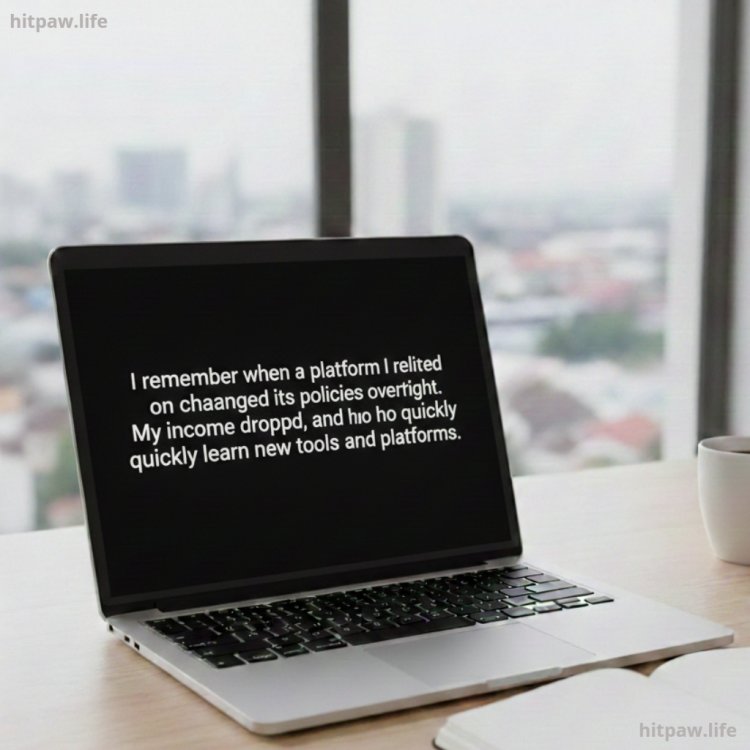
Freelancing trends evolve fast. I remember when a platform I relied on changed its policies overnight. My income dropped, and I had to quickly learn new tools and platforms.
I now dedicate at least 30 minutes daily to learning new techniques, reading industry news, or testing new tools. Staying flexible has been crucial to maintaining steady freelance income.
7. Financial Management
Freelancers often overlook financial skills. I initially mixed personal and freelance finances, leading to stress during tax season. Using QuickBooks and separate bank accounts, I track earnings, invoices, and expenses.
Creating a simple monthly budget and saving for slow months has given me peace of mind and prevented financial emergencies.
8. Networking Skills
Networking isn’t just about social media. Attending online webinars, joining niche communities like Freelance India or Upwork Forums, and connecting with peers has helped me find clients, collaborate on projects, and get referrals.
Even a short message complimenting someone’s work can spark collaborations freelancing is more social than it seems.
Practical Examples
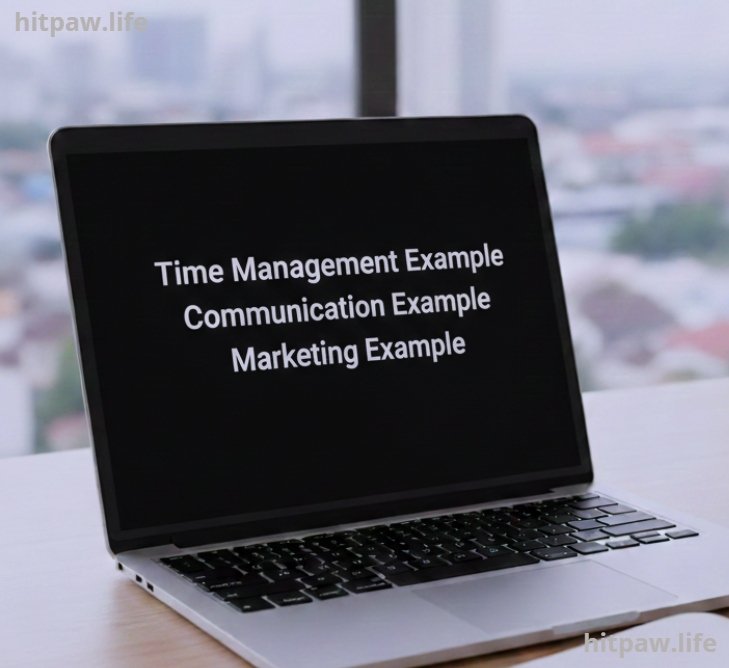
1. Time Management Example: I once had three projects with overlapping deadlines. Using a detailed Trello board and time blocking, I delivered all three on time without stress.
2. Communication Example: A client was unclear about the project scope. Sending a detailed email outlining deliverables and deadlines solved the issue and strengthened the client relationship.
3. Marketing Example: Publishing a case study on LinkedIn doubled my inquiries within a month.
Step by Step Guide: How I Built My Freelancer Skills
Step 1: Identify gaps in your knowledge and skills.
Step 2: Take online courses or tutorials in your niche. I used Udemy, Coursera, and free YouTube tutorials.
Step 3: Practice consistently by taking small projects first.
Step 4: Implement productivity tools like Trello, Slack, and Google Calendar.
Step 5: Track client feedback and refine your communication and delivery process.
Step 6: Gradually raise your rates as your skillset and portfolio grow.
Step 7: Set aside time weekly to learn new tools and trends.

Care Table
|
Skill Area |
Tools/Method I Use |
Frequency/Tip |
|
Time Management |
Trello, Google Calendar |
Daily planning and weekly review |
|
Communication |
Slack, Zoom, Email |
Respond within 24 hrs, clarify requirements |
|
Marketing |
LinkedIn, Portfolio website |
Weekly updates and case studies |
|
Technical Skills |
Adobe Suite, Figma |
Daily practice, new tools monthly |
|
Client Management |
Asana, HelloSign |
Update project status weekly |
|
Financial Management |
QuickBooks, Bank accounts |
Track daily, review monthly |
|
Networking |
Communities, Webinars |
Engage 2 to 3 times per week |
What I Got Wrong the First Time
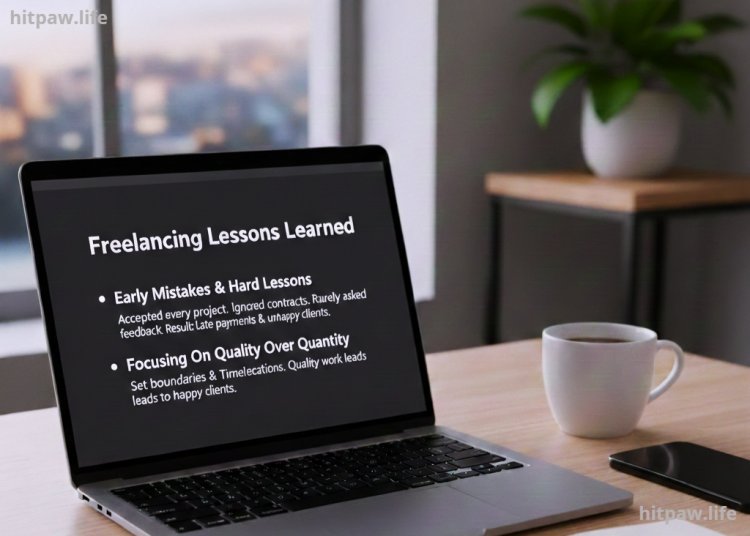
When I started freelancing, I accepted every project that came my way, ignored contracts, and rarely asked for feedback. This led to late payments and unhappy clients. I learned that setting boundaries, clear expectations, and focusing on quality over quantity is more important than hustling blindly.
Tips From My Experience
One thing I learned the hard way is never underestimate the power of organization. I started freelancing juggling multiple clients without a proper system, and it was chaotic. Using tools like Trello for project tracking and Google Calendar for deadlines completely changed my workflow.
Another key tip: always set clear expectations with clients upfront scope, timelines, and payment terms. It saves a lot of stress and prevents misunderstandings.
Finally, invest in improving your skills consistently. Even dedicating 30 minutes daily to learning a new tool or technique has a huge impact over time.

Final Considerations
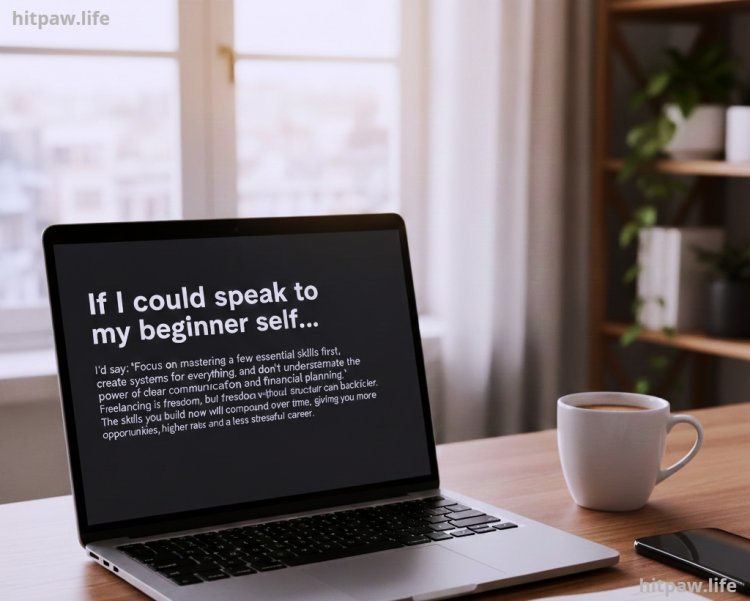
If I could speak to my beginner self, I’d say: “Focus on mastering a few essential skills first, create systems for everything, and don’t underestimate the power of clear communication and financial planning.” Freelancing is freedom, but freedom without structure can backfire. The skills you build now will compound over time, giving you more opportunities, higher rates, and a less stressful career.
FAQs About Essential Freelancer Skills
1. What are the most important skills for a freelancer to start with?
The basics I focus on are time management, communication, client management, technical skills, and financial organization. Mastering these creates a strong foundation.
2. Do I need advanced technical skills to succeed as a freelancer?
Not always. It depends on your niche. For example, a content writer needs strong writing and research skills, while a designer requires proficiency in tools like Adobe Suite or Figma.
3. How can I manage my time effectively when freelancing?
I use time blocking, Trello for task management, and the Pomodoro technique. The key is to schedule work, breaks, and deadlines consistently.
4. How do I communicate professionally with clients?
Always be clear and concise. Confirm project details in writing, respond promptly, and use tools like Slack, Zoom, or Email templates to stay organized.
5. How do I set fair rates as a freelancer?
Research industry standards, calculate your hourly or project based costs, and start modestly. Gradually increase rates as your skills and portfolio improve.
6. Can networking really help grow my freelance career?
Absolutely. Joining communities, attending webinars, and connecting with peers often leads to referrals, collaborations, and new clients.
7. What mistakes should beginners avoid?
I initially accepted every project without contracts, underpriced my work, and ignored feedback. Avoid overcommitting, set boundaries, and track your finances carefully.
What's Your Reaction?