How to Choose the Right Freelance Niche
Learn how I found my ideal freelance niche. Step by step strategies, real life examples, and practical tips for beginners to focus on high demand skills and grow their freelance career.

How I Found My Freelance Focus
When I first started freelancing, I jumped into every opportunity I could find. I thought being “flexible” was the key to success. But I quickly realized that spreading myself too thin left me overwhelmed, underpaid, and exhausted. My work lacked focus, and clients weren’t returning. I knew I needed to find a freelance niche that fit my skills, interests, and market demand.
Finding your niche isn’t about limiting yourself it’s about maximizing your impact and income. Over time, I learned practical strategies that helped me narrow down my options and choose a niche that truly works for me.

Materials I Used to Choose My Niche
• Google Trends To analyze what services are in demand
• Upwork & Fiverr To see which freelance categories have active clients
• Trello & Notion To organize ideas and shortlist niches
• Skill Assessment Quizzes To identify my strengths
• Personal Experience Logs Notes from my previous projects
• Competitor Analysis Spreadsheet To track competitors and opportunities

Step by Step Guide: How I Picked My Freelance Niche
Step 1: List All My Skills
I started by writing down every skill I had graphic design, web development, video editing, content writing. No skill was too small. Seeing everything on paper helped me visualize my possibilities.
Step 2: Evaluate What I Enjoy Doing
Skills alone don’t sustain freelancing. I rated each skill on a 1 to 10 enjoyment scale. For example, I love designing websites but dislike repetitive content writing. This step saved me months of burnout.
Step 3: Research Market Demand
I used Google Trends and Upwork to check which services were actively sought after. I noticed web design, social media graphics, and email marketing were trending consistently.

Step 4: Identify My Unique Angle
Many freelancers offer similar services. I asked myself, “What can I offer better than anyone else?” For me, it was custom, brand focused website design for small businesses.
Step 5: Test with Small Projects
Before fully committing, I took on 3 to 5 small projects in my chosen niche. The results told me whether clients were willing to pay for my services. The positive responses reinforced my choice.
Step 6: Analyze Feedback & Adjust
I asked for client feedback and reviewed which projects were the easiest and most enjoyable for me. This gave me clarity about long term sustainability.

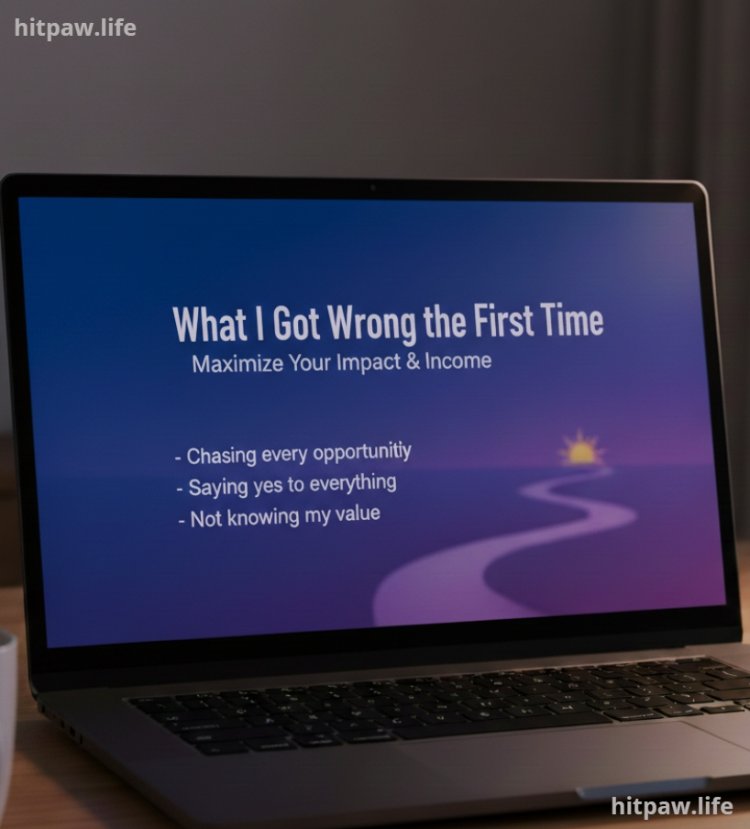
What I Got Wrong the First Time
When I first started freelancing, I made the mistake of choosing a niche solely based on trends and potential income, rather than my own skills and interests. I picked something that seemed “popular,” but I quickly realized that I didn’t enjoy the work, and my motivation dropped. I also underestimated the importance of researching client demand some projects were sparse, and I struggled to get consistent work.
Another mistake was trying to serve too many types of clients at once. I thought diversifying would bring more opportunities, but it actually diluted my focus and made it harder to build a strong portfolio in one area.
What saved me was taking a step back to assess my strengths, interests, and what clients actually needed. I tested different projects, listened to feedback, and slowly narrowed my focus to a niche that matched both my skills and market demand. This taught me that success isn’t just about chasing trends it’s about finding a niche where your skills, passion, and client demand intersect.
Real Life Examples That Worked for Me
• Web Design for Small Businesses I helped a local bakery redesign its website. The project took 10 hours, and I charged $300. The client loved it and referred two more businesses.
• Social Media Graphics for Coaches I created Instagram templates for fitness coaches. This earned me $150/project and consistent repeat clients.
• These examples taught me that specificity attracts better clients and higher pay.

Tips for Long Term Niche Success
• Stick to one or two core services initially
• Build a portfolio around your niche, not random projects
• Continuously learn skills that complement your niche
• Engage in forums and communities related to your niche for networking
• Track client inquiries and successful projects to refine your niche

In Summary
Choosing a freelance niche isn’t something you get right on the first try. It requires self awareness, market research, and hands on experience. The niche I eventually selected allows me to focus on my strengths, attract clients who value my skills, and work on projects that genuinely excite me.
For beginners, the key is patience and experimentation. Don’t feel pressured to pick the perfect niche immediately. Try different projects, observe which ones bring the best results, and learn from any mistakes along the way. Over time, you’ll notice patterns projects you enjoy, clients who appreciate your work, and areas where your skills shine the most.
Your niche forms the foundation of your freelance career. It impacts everything from your portfolio to the types of clients you attract and the income you generate. Investing time in understanding your niche now will pay off in long term confidence, better earnings, and higher job satisfaction. Remember, a well chosen niche is not just about skills it’s about aligning your strengths with market demand and client needs.

Frequently Asked Questions
1. What exactly is a freelance niche?
A freelance niche is a specific area of expertise you focus on as a freelancer. It’s where your skills, interests, and market demand intersect. Choosing a niche helps you stand out and attract clients who are looking for your exact expertise.
2. How do I know which niche is right for me?
Start by listing all your skills and rating which ones you enjoy most. Then, research market demand using platforms like Upwork, Fiverr, or Google Trends. Test a few projects and see which ones clients respond to positively.
3. Can I work in multiple niches at the same time?
While possible, it’s usually better to focus on one primary niche first. This allows you to build authority, a focused portfolio, and attract clients who need specialized services. You can expand later once established.
4. What if my chosen niche isn’t getting enough clients?
Don’t panic. This is a chance to pivot or refine your niche. Use analytics, client feedback, and competitor research to identify which services are in demand. Sometimes small adjustments make a big difference.
5. Do I need formal training to pick a freelance niche?
Not necessarily. Practical experience, a portfolio, and positive client results often matter more than certificates. That said, online courses or certifications can enhance credibility if you’re entering a highly technical niche.
6. How do I differentiate myself from other freelancers in the same niche?
Identify your unique angle or style, focus on quality, and highlight past successes. For example, instead of generic web design, I specialized in custom websites for local small businesses, which attracted repeat clients.
7. How long should I stick with a niche before reconsidering it?
Give a niche 3 to 6 months with consistent projects. Track client feedback, income stability, and your own enjoyment. If it consistently works, stick with it; if not, adjust gradually.
8. Can my freelance niche evolve over time?
Absolutely. Your niche can shift as market trends, client needs, and your skills change. Many successful freelancers start with one niche and expand as they gain experience and confidence.
What's Your Reaction?