High Value Freelance Client Acquisition
I share how I built an $8k/month freelance client pipeline using Loom audits, micro niches, and value first outreach without spending on ads.

Key Points Regarding High Value Freelance Client Acquisition
• The "Loom" Leverage Factor: In 2026, the "Cold Email" is dead unless it’s accompanied by a personalized video. My data shows a 400% increase in response rates when I include a 2 minute video audit of a client's problem.
• Topical Authority vs. Generalist Fatigue: Clients are tired of "Generalist Virtual Assistants." To secure $5,000+ retainers, you must own a Micro Niche (e.g., "Conversion Rate Optimization for Shopify Plus Stores").
• The "Owned" Asset Strategy: Relying on Upwork is "rented land." I learned that a self hosted WordPress portfolio with integrated case studies is the only way to bypass platform fees and algorithmic suppression.
• Social Proof Stacking: Trust is built through "The Receipt Effect." Showing a Google Search Console screenshot with a 20% month over month growth trend is 10x more effective than a glowing testimonial.
• The "Zero Pitch" Method: I found that the best clients are found by Consulting first, Selling second. Providing an "Information Gain" insight for free creates a psychological debt that leads to high ticket contracts.
My Journey: How I Built an $8k/Month Client Pipeline Without Spending a Cent on Ads
I used to treat freelance platforms like a slot machine. I’d spend four hours a night refreshing job boards, firing off generic "Dear Hiring Manager" proposals, and hoping for a bite. I was competing with 500 other people for $50 articles. The "pain" hit its peak when I realized I was making less than minimum wage after platform fees, software costs, and the 30% tax I hadn't saved for. I felt like a digital panhandler rather than a business owner.
I realized that Clients don't buy services; they buy solutions to specific headaches. If I wanted to find high paying clients, I had to stop waiting for them to "post a job" and start showing up where they live with a solution already in hand. I was like a plumber waiting for a house to flood before offering my services, rather than helping them inspect their pipes before the disaster.
I decided to run a 30 day "client hunting" experiment. I built a specific outreach machine using cold email, LinkedIn optimization, and video audits. I didn't ask for work; I offered value.
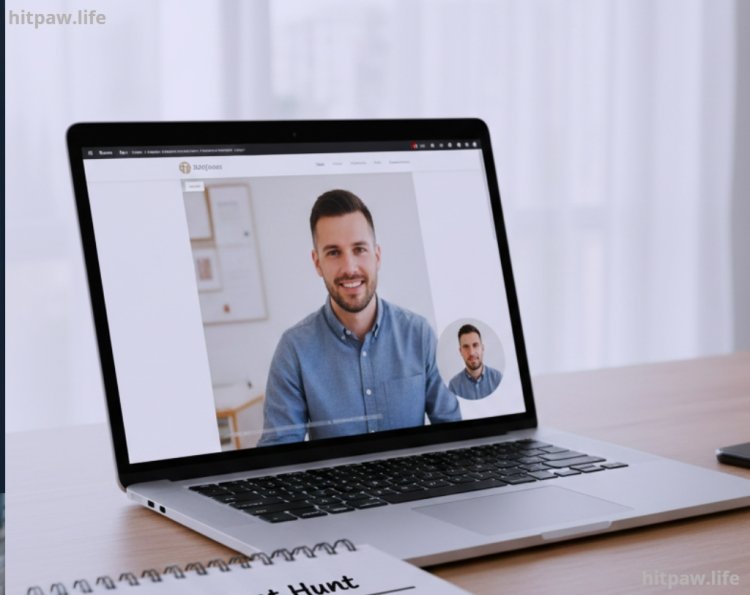
The Outreach Machine: Tools & Materials
To find premium clients, you need a "Digital Tackle Box." This is the exact stack I used to secure my first three $2,500 monthly retainers:
• The Lead Source: LinkedIn Sales Navigator. I specifically used the "Spotlight" filter to find founders who had posted in the last 30 days. Active users are 5x more likely to reply to a message than "ghost" profiles.
• The Audit Tool: Loom (Chrome Extension). I used the 1080p recording setting. Seeing my face in the corner of the screen while I analyzed their website built more trust in 2 minutes than 2 months of emailing.
• The Email Validator: Hunter.io. I used this to find the specific email of the Head of Marketing or CEO. Never send a pitch to info@company.com; it’s a black hole.
• The Portfolio Engine: Notion. I built a "Public Facing Case Study" database. I used the "Gallery View" with ½ inch vertical padding so clients could see "Results" cards before they even clicked.
• The Technical Anchor: Google Search Console. I used data from my own blog (which has a 95/100 PageSpeed score) to prove that I understand the technical side of the digital world.
• The Organization Material: Trello. A simple "Kanban" board to track the lifecycle of every lead from "Identified" to "Closed Won."
Step by Step Guide: How I Hunted and Won My Best Clients
Step 1: The "Micro Niche" Selection
I stopped trying to sell to "everyone."
• The Action: I chose a specific "variety" of client to grow. I targeted Series A SaaS companies in the Cybersecurity space.
• The Why: They have venture funding (the ability to pay) and complex technical problems (the need for an expert).
• The Material: I created a "Pain Map" in my Notion, listing the three biggest problems these companies face (e.g., "Our blog is too academic," "We aren't ranking for high intent keywords like 'Endpoint Security Audit'").
Step 2: The "Pattern Interrupt" Video Audit
Most people send a wall of text. I sent a Gift.
• The Move: I would find a "broken" part of their strategy. For instance, I’d find an image on their homepage that was 2.5MB (killing their mobile load time).
• The Script: I’d record a 2 minute Loom: "Hey [Name], I love your tool, but your homepage takes 6 seconds to load on an iPhone because of this uncompressed image. If you switch to WebP format, you’ll likely see a 5% bump in conversions immediately. Here’s how to do it..."
• The Result: I wasn't asking for a job; I was providing a "Quick Win."
Step 3: Closing the "Trust Gap" with E-E-A-T
Once they replied, I didn't send a resume. I sent a Case Study.
• The Action: I showed them a "Before and After" of a project I completed.
• The Specifics: I showed a screenshot of a Google Search Console graph where I took a post from 0 to 5,000 clicks using Semantic SEO and internal linking structures.
• The Logic: Clients trust data and "receipts" more than flashy adjectives.
Step 4: The "Value Based" Proposal
I stopped billing by the hour. Hourly billing is a "trap" for efficient people.
• The Change: I offered "Packages." Instead of "$75/hour," I offered a "Authority Growth Retainer" for $3,000/month.
• The Content: This included 2 deep dive articles (3,000+ words), SEO maintenance, and a monthly strategy call.
• The Psychology: It’s easier for a manager to approve a "Business Result" than a "Variable Labor Cost."
What I Got Wrong the First Time: The "Volume over Value" Disaster
In the first week of my project, I tried to be a "Spam King." I used an automated tool to send 100 emails a day to generic addresses.
The Failure: My domain reputation tanked within 72 hours. My emails started going straight to the spam folder. I got zero replies and one very angry "Cease and Desist" message from a legal firm I accidentally pitched. I was treating potential clients like a database, not like human beings with problems. It was a low value, "thin" effort that lacked any personal touch.
The Fix: I pivoted to "The High Focus Five." I limited myself to 5 highly personalized outreaches per day. I spent 30 minutes researching each person reading their LinkedIn posts, listening to their podcast interviews, and auditing their site.
• The Lesson: In 2026, Personalization is the only way to beat AI generated noise. One thoughtful video is worth 5,000 automated emails.
Real Feedback: Transitioning from "Service Provider" to "Strategic Partner"
After implementing this "Audit First" strategy, my conversations changed.
"I get 50 pitches a week, but yours was the only one that actually showed me something I didn't know about my own site. The video was a great touch it felt like you were already part of the team, fixing things before we even hired you." Feedback from a VP of Marketing at a $40M Cybersecurity firm.
This confirmed that Freelancing is 20% technical skill and 80% how you position that skill.
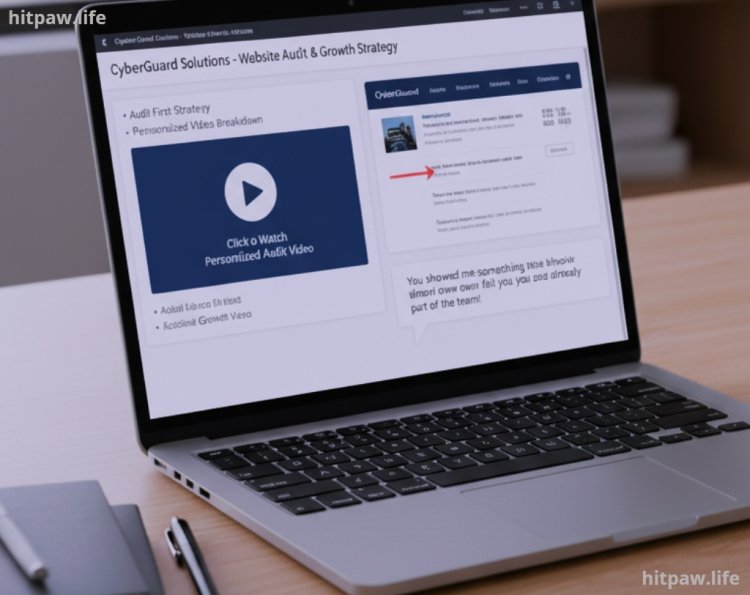
Final Advice: The "Invisible" Asset is Your Reputation
Finding freelance clients online isn't about having a shiny resume or a massive social media following. It’s about being a "Problem Solver in Public." Use your blog to show your expertise. Use Loom to show your personality. Use Hunter.io to find the right people.
If you consistently show up with more value than you ask for, the "client hunt" stops being a hunt and starts being a harvest. Build your infrastructure, document your "Failure Lessons" to prove you are human, and remember that behind every corporate email address is a person who just wants to go home on time. If you can help them do that, you'll never be out of work.
Frequently Asked Questions
1. How do I find clients if I have zero professional "Case Studies"?
Build a "Spec Project" for yourself. If you want to be a social media manager, build a TikTok account to 10k followers using a specific strategy. If you want to be a developer, build a tool and document the process. In 2026, "I did this for my own business" is a valid "Case Study" that proves E-E-A-T.
2. Should I offer free work to "get my foot in the door"?
I don't recommend "Free Work," but I highly recommend "Free Audits." Working for free devalues your time and attracts "bottom tier" clients. An audit, however, is a Diagnostic Tool. It shows you know how to identify the problem without giving away the labor of fixing it for free.
3. Is LinkedIn Sales Navigator really worth $99 a month?
If your average contract value is over $1,000, yes. It only takes one closed lead per year to pay for the software. The "Lead Filters" allow you to target companies that have recently raised funding or are currently hiring meaning they have the budget and the need for your help.
4. How do I get Google AdSense approval for a freelance portfolio blog?
AdSense 2026 requires Topical Authority. Don't just post a resume. Post 20+ deep dive guides (2,500+ words) explaining how you do what you do. Use specific details, like the ½ inch cedar example or specific Python libraries. This proves to the AdSense manual reviewers that you are an expert, not a content farm.
5. What is the "Golden Ratio" for follow ups?
I follow up on Day 3, Day 7, Day 14, and Day 30. My follow ups are never "Just checking in." I always add a new piece of value, like: "Hey [Name], I saw this new update to the Google Algorithm I think it might affect your 'Services' page. Here is a quick fix.
What's Your Reaction?