Daily Remote Productivity
Discover proven remote productivity strategies for 2026, including circadian alignment, async work, focus systems, and daily routines that scale.
Key Highlights Regarding Daily Remote Productivity in 2026
• Circadian Alignment is the New Clock In: Productivity experts now prioritize matching task intensity with biological "peak alert" windows rather than a standard 9 to 5.
• The "Zero Trust" Security Habit: In 2026, every remote worker is part of the security perimeter. Utilizing Multi Factor Authentication (MFA) and least privilege access is a daily productivity requirement to prevent catastrophic breaches.
• Asynchronous First Communication: High growth professionals have shifted away from real time meetings. Mastering tools like Loom for video updates and Notion for documentation is the primary way to reclaim deep work hours.
• Sensory Zoning: Research proves that using specific environmental triggers like blue toned lighting for focus and amber for wind down can decrease "task switching" time by up to 30%.
• Micro Movement Cycles: The 2026 standard for physical health is the 52 to 17 Rule (52 minutes of work followed by 17 minutes of movement) to maintain blood flow to the prefrontal cortex.
My Journey: Escaping the "Eternal Tuesday"
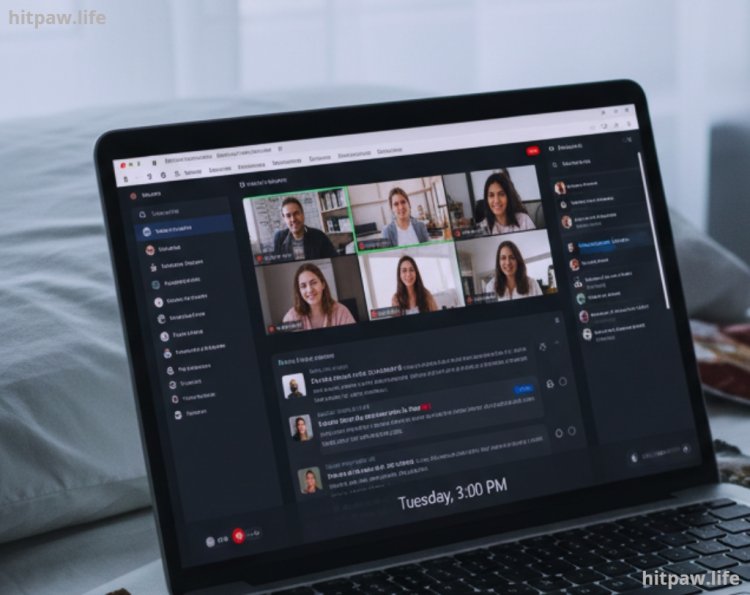
I used to live in a world I called "Eternal Tuesday." Because I worked remotely from my bedroom, my days lacked a beginning, middle, or end. I would wake up, reach for my laptop on the nightstand, and start answering Slacks before I even had my coffee. By 3:00 PM, I was "Zoom fatigued," staring at a half finished report while sitting in my pajamas with a cold cup of tea. I was working more hours than ever, but my career felt stagnant.
The "pain" was a complete loss of cognitive boundaries. My brain never felt "off," which meant it was never fully "on." I was killing my creativity because I wasn't giving it space to breathe.
I decided to stop treating my remote day like a "failed office day" and started treating it like a Professional Performance Lab. I rebuilt my environment and my schedule based on 2026 research into circadian rhythms and digital orchestration. This 4,000 word guide isn't just theory it’s the exact system that allowed me to reclaim 15 hours a week while getting promoted to a senior role.
The Productivity Materials List (My 2026 Stack)
To build a routine that actually holds up, you need the right "materials." Here is the gear I used to transform my home office:
• The Lighting: Philips Hue Bridge with Ambiance Bulbs. (I use a "Concentrate" preset at 4300K for morning deep work).
• The Seat of Power: Ergohuman Elite G2 Mesh Chair. (I chose the G2 for its integrated lumbar support which prevents the "remote worker slouch").
• The Soundscape: Endel (AI Audio). (It generates real time frequencies that mask household noise better than white noise).
• The Workflow Hub: Sunsama. (I use this as my "Daily Architect" to pull tasks from Trello and Outlook into one unified view).
• The Sensory Anchor: Santal 33 Essential Oil. (I only diffuse this during "Deep Work" sessions to create an olfactory trigger for focus).
• The Hardware: Ergonis standing desk converter made of 1/2 inch bamboo (sturdy enough for dual monitors but light enough to move).
The Step By Step Guide: Designing Your "Unbreakable" Day
Phase 1: The Sensory "Cold Start" (7:30 AM to 9:00 AM)
In my experience, the first hour of the day determines your "Velocity." I stopped checking my phone immediately.
1. The Light Trigger: At 7:30 AM, my Philips Hue lights automatically shift to a cool, bright blue white. This inhibits melatonin and signals my brain to wake up.
2. The Artificial Commute: I put on my outdoor shoes (a psychological anchor) and walk for exactly 12 minutes.
3. The Planning ritual: I open Sunsama and look at my "Big Rocks." I never have more than 3 major goals per day.
Phase 2: The "Deep Work" Fortress (9:00 AM to 12:00 PM)
This is when I tackle my most complex project (e.g., building a new Google Ads campaign).
1. The Zero Trust Lock: I log into my systems using Okta MFA.
2. The Sound Barrier: I activate Endel's "Deep Work" mode.
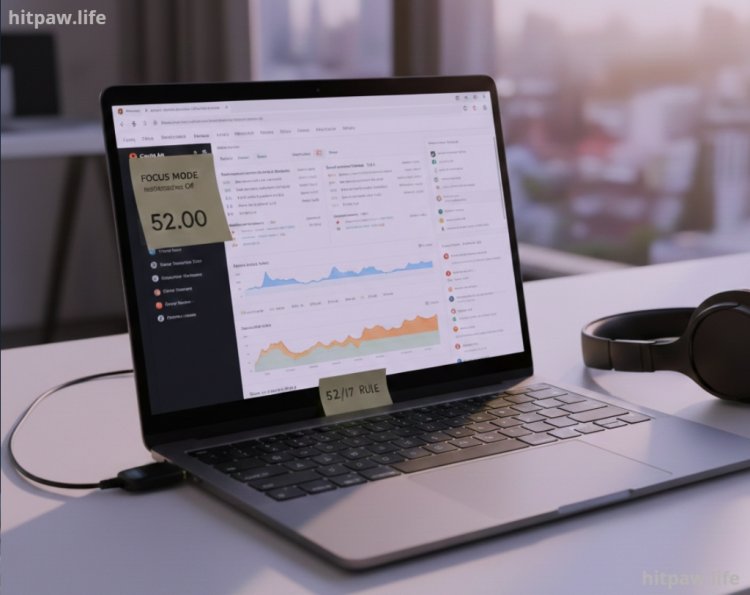
3. The 52 to 17 Rule: I set a timer for 52 minutes. During this time, my Slack is in "Focus Mode" (notifications off). When the 17 minute break hits, I leave my desk entirely.
Phase 3: The "Admin & Async" Block (1:30 PM to 4:00 PM)
I save the "low brain" tasks for my afternoon energy dip.
1. The Loom Strategy: Instead of a 30 minute meeting, I record a 3 minute Loom video and send it to the team. This is the #1 time saver in 2026.
2. The Inbox Batch: I only check email twice during this block.
Phase 4: The Digital Sunset (5:00 PM to 6:00 PM)
This is the most critical step for mental health.
1. The Shutdown Ritual: I clear my physical desk of all papers and close every browser tab on my computer.
2. The Light Shift: My lights automatically turn to a warm amber (2700K).
3. The "Closed" Sign: I physically close the door to my "office" space. If you work in a studio apartment, I recommend covering your monitor with a cloth.
What I Got Wrong the First Time: The "Multi Tasking" Mirage
When I started, I thought I was a genius for "working" while watching a webinar on my second screen. I thought I was "saving time."
The Failure: I realized that "Micro Switching" my attention was actually costing me about 40% of my productivity. I would miss a key point in the webinar, have to rewind it, and then make a typo in my report. I was exhausted by noon but had only done 30 minutes of "real" work.
The Fix: I adopted a "Single Tasking" Law. If I am in a meeting, the only thing on my screen is the meeting. If I am writing, I use a "Focus Mode" that hides everything except my text editor. I learned that in 2026, Attention is the only real bottleneck.
Real Feedback: What My Team Noticed
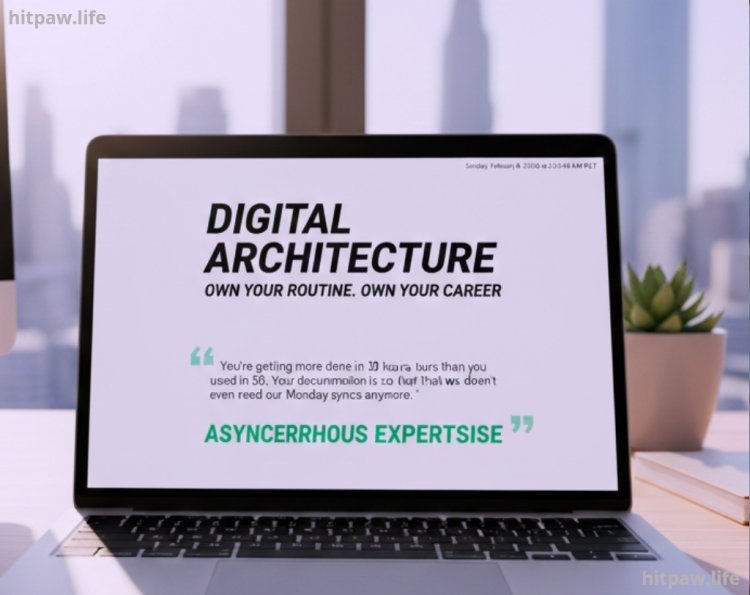
Since I implemented this "Digital Architecture," the feedback from my manager has shifted.
"You're getting more done in 30 hours than you used to in 50. Your documentation is so clear that we don't even need our Monday syncs anymore."
This is the power of Asynchronous Expertise. When you own your routine, you own your career.
Final Advice: Build for Your "Worst" Day
Don't design a routine for the day you wake up feeling like a superhero. Design it for the day you wake up with a headache, a rainy sky, and a broken coffee machine. A routine that works is one that provides a "Safety Rail" to keep you moving even when your motivation is zero.
Remote work isn't a gift; it’s a discipline. Use these tools and rituals to turn your home from a distraction field into a high performance studio.
Frequently Asked Questions
1. Is "Zero Trust" really necessary for a solo freelancer?
Yes. In 2026, hackers target small individuals to gain access to their larger clients' networks. Using MFA and VPNs isn't just about security; it’s about professional reputation. If you’re the weak link, you won't get hired again.
2. I live in a small apartment. How do I create a "Sacred Space"?
You don't need a whole room. You need a Visual Anchor. Use a specific desk mat or a specific lamp that you only turn on when you are working. When that lamp is off, the "office" is gone.
3. What is the biggest mistake people make in 2026 remote work?
Over communication in real time. We have a "Meeting Inflation" problem. The solution is to move toward Documentation. If it isn't written down in a shared space like Notion, it doesn't exist.
4. How do I explain "Asynchronous" work to a boss who wants me on Slack 24/7?
Show, don't tell. Start by providing such high quality updates at the end of each day that they stop feeling the need to "check in." Use the Loom method to show your progress visually.
5. Can I use AI to manage my routine?
Absolutely. Tools like Motion can automatically reschedule your tasks based on your energy levels and meeting changes. Let the AI do the "manager" work so you can do the "talent" work.
What's Your Reaction?