Building Trust in Remote Teams
Learn how modern remote teams build trust in 2026 using transparency, async communication, psychological safety, and outcome-based systems.

Key Points Regarding Building Trust in Remote Teams
• The Transition from Presence to Performance: In 2026, trust is no longer built by "being seen" in an office. It is built through Reliability Cycles the consistent delivery of high quality work within agreed upon timeframes.
• The Vulnerability Loop: Trust is a biological response to shared risk. When a leader admits a mistake or a "knowledge gap" using high bandwidth tools like Loom, it signals to the team that psychological safety is a structural reality, not just a buzzword.
• Asynchronous Transparency: Trust dies in private direct messages (DMs). Successful remote teams utilize Public First Communication in Slack or Discord to ensure the "Context of Decisions" is available to everyone, preventing the formation of "information silos."
• The "User Manual" Culture: Eliminating social friction is a prerequisite for trust. Providing a personal "Readme" file helps teammates navigate different communication styles, time zones, and cognitive preferences without the guesswork.
• Outcome Based Monitoring: Replacing invasive "Bossware" with transparent project dashboards allows for accountability without the erosion of morale associated with micromanagement.
My Journey: How I Rebuilt a Fractured Team Through "Architected Trust"
I used to be a "Management Ghost." I believed that as long as I hired smart people and left them alone, trust would just... happen. I was working from my home office, assuming that "no news was good news." The reality was far grimmer. Under the surface of our quiet Slack channels, a culture of suspicion was brewing. Because I wasn't providing a clear "Trust Architecture," my team was filling the silence with their own anxieties.
The "pain" hit its breaking point during a major software deployment. A critical error occurred, and instead of the team coming together to fix it, they spent two days pointing fingers in private DMs. I realized I hadn't built a team; I had built a group of isolated contractors who were terrified of being the "fall guy."
I decided to stop treating trust as a "feeling" and start treating it as a Structural Project. I embarked on a mission to build a "High Trust Framework" using specific digital materials and rituals. This wasn't about "team building retreats" or forced Zoom happy hours. It was about creating a system where trust was the path of least resistance.
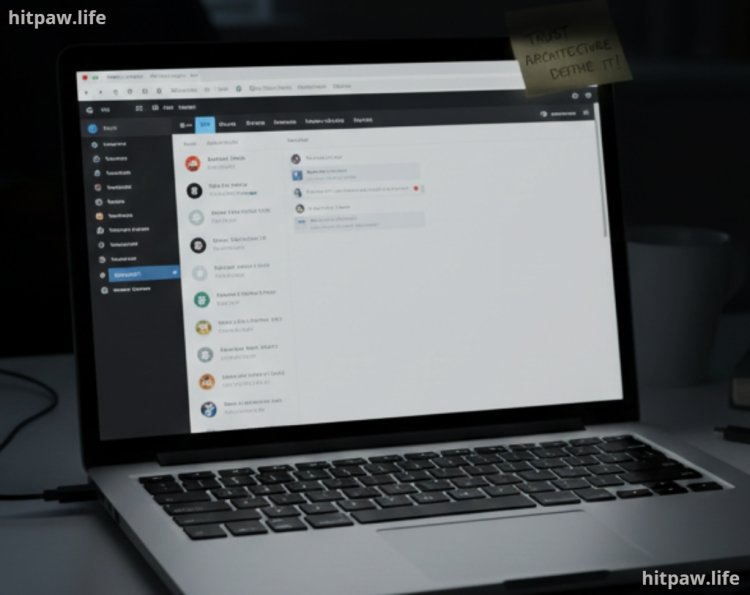
The Trust Architect’s Materials List
To build a system where trust can thrive, you need the right "infrastructure." Here is the specific stack I used for my project:
• The Transparency Hub: Notion (Enterprise). I used ½ inch vertical padding and a nested "Toggle" hierarchy to build our "Team Bible." This ensured that the "Why" behind every decision was documented and unchangeable.
• The Synchronous Anchor: Slack Huddles. We moved away from formal Zoom calls for sensitive discussions. The audio first, low pressure nature of Huddles allows for more honest, "vulnerable" conversations.
• The Accountability Engine: Monday.com. I chose this specifically for its "Automated Status Updates." When a task moves to "Done," the system notifies the stakeholders automatically, removing the need for "Did you do it?" nagging.
• The Relationship Catalyst: Donut. A Slack integration that I configured for "Cross Functional Intros." It forces the "Social Materials" to mix, ensuring the developers actually talk to the marketers.
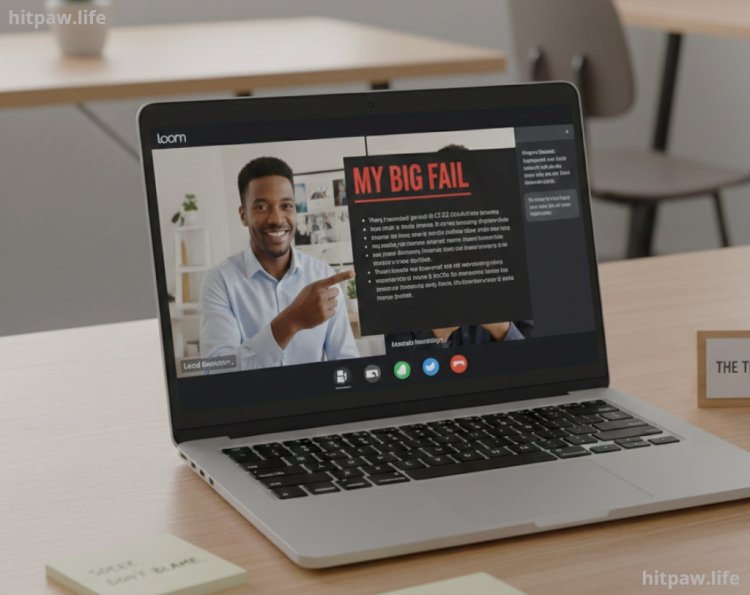
• The Vulnerability Tool: Loom. I use this to record "Post Mortem Briefs." Seeing my tired face and hearing my honest tone as I explain my own mistakes builds more trust than a thousand emails.
Step by Step Guide: Engineering the High Trust Remote Team
Phase 1: The "Context" Foundation (Month 1)
Trust is impossible without a shared reality. I realized the team was disconnected because they were working with different sets of information.
1. The Action: I built a "Master Project Wiki" in Notion.
2. The Specification: I included the budget, the client's actual "pain points," and the long term vision.
3. The Result: When the team understood the "Why," they stopped questioning each other's "What."
Phase 2: The "User Manual" Implementation (Month 2)
Social friction is the #1 killer of remote trust. We misinterpret a "k." or a "period" at the end of a sentence as anger.
1. The Move: Every team member had to write a "Working with Me" Readme.
2. The Content: We used specific sections: "My peak focus hours," "How to give me feedback," and "What I value most in a teammate."
3. The Discovery: I learned our lead dev has "Deep Work" from 8 AM to 11 AM and hates Slack pings then. By respecting that boundary, I earned his trust overnight.
Phase 3: The "Vulnerability Loop" (Ongoing)
I had to prove that the "Cost of Failure" was low as long as the "Speed of Learning" was high.
1. The Ritual: In our weekly "Syncs," I started the meeting by sharing my "Big Fail." 2. The Rules: No one was allowed to offer a "fix" for 2 minutes; we just had to acknowledge the mistake and the lesson learned.
2. The Shift: It took three months, but eventually, the team stopped hiding bugs. They started tagging each other in Slack: "Hey, I messed up the CSS on this can someone help me see where I went wrong?" That is the sound of trust.
Phase 4: The "Autonomy" Handover (Month 4)
Trust is a two way street. I had to let go of the "Control" levers.
1. The Action: We moved to "Outcome Based Goal Setting" (OKRs).
2. The Specification: I told the team what the result needed to be (e.g., "Reduce page load time by 20%"), but I stopped telling them how to do it.
3. The Outcome: The team felt "Owned" by the project, not "Managed" by me.
What I Got Wrong the First Time: The "Camaraderie" Trap
In my early attempt to build trust, I thought "Friends = Trust." I spent $500 on a virtual "Escape Room" experience for the team on a Friday afternoon.
The Failure: It was awkward, forced, and worst of all it was during their personal time. People felt like they were "performing" for me. It didn't build trust; it built resentment. I was trying to buy social capital without doing the hard work of building Reliability Trust.
The Fix: I learned that in a remote setting, Work Trust is the foundation of Social Trust. I canceled the "forced fun" and replaced it with "Optional Gaming" on Discord for 30 minutes on a Thursday morning (during work hours). I learned that trust is built in the "cracks" of working together toward a common goal, not in a scheduled "Fun Block."
Real Feedback: From "Contractors" to "Partners"
The most powerful feedback came from my Lead Designer six months after we started "The Trust Project."
"I used to spend an hour drafting an email to you because I was afraid of how you’d react to a delay. Now, I just record a 30 second Loom, show you the bottleneck, and I know you’re going to help me solve it instead of blaming me. I’ve never felt more supported in a job."
That feedback proved that Trust is the ultimate "Efficiency Hack." When you remove the "Fear Tax," work happens 2x faster.
Reliability is the Only Handshake
In 2026, you can't look someone in the eye or shake their hand. You have to build trust through Consistency.
• Do what you say you will do.
• If you can't do it, say so as soon as you know.
• Make your work visible.
Trust in a remote team isn't a "soft skill" it’s a Hard Metric. Use your tools to make your reliability visible. Be the first to admit when things are going wrong. When you build the "Floor" of psychological safety, your team will build the "Ceiling" of high performance.
Frequently Asked Questions
1. How do I build trust with a new remote hire?
Start with "Onboarding Transparency." Give them access to everything the history of the project, the "Readmes" of their teammates, and the "Post Mortem" archives. By showing them "how the sausage is made" from Day 1, you signal that you have nothing to hide.
2. What if a teammate breaks my trust?
Don't go back to micromanagement. Address the Process, not the Person. Ask: "What part of our system failed that allowed this to happen?" Often, it’s a lack of clarity in the Notion Wiki or a "broken" automation in Monday.com. Fix the system first.
3. Is "Trust" different for global teams?
Yes. You must account for High Context vs. Low Context cultures. Some cultures feel trust is built through "Socializing" first; others through "Delivering" first. Using the "User Manual" approach allows everyone to state their cultural preferences clearly, removing the "Guesswork."
4. How do I trust my manager if they keep "checking in" on me?
Be Proactively Transparent. Before they can ask, send them a daily Loom update (60 seconds) showing your progress. When a manager sees the "Work in Progress" consistently, their anxiety driven need to check in will vanish. You "train" them to trust you.
5. Can AI help build trust?
Yes. AI tools that summarize meetings or track "Sentiment" in Slack can help you spot when a teammate is feeling disconnected or frustrated before it turns into a trust breach. Use the data to be a more empathetic human.
What's Your Reaction?