Mistakes to Avoid When Starting Freelancing
I share the real mistakes I made when starting freelancing and how I fixed them. A practical guide for beginners to avoid common freelancing errors and build a stable career.

Main Highlights Regarding Mistakes to Avoid When Starting Freelancing
I started freelancing with excitement but very little clarity, and that caused avoidable mistakes.
Most beginner freelance problems come from poor positioning, weak systems, and unrealistic expectations.
Learning from my early failures helped me stabilize income, attract better clients, and reduce stress.
Freelancing success is less about talent and more about process, communication, and consistency.
What My Early Freelancing Experience Taught Me
When I first started freelancing, I believed that skills alone would be enough. I thought if I worked hard, clients would automatically come, projects would flow in, and income would slowly increase. That assumption cost me time, energy, and confidence. I struggled with low paying clients, constant revisions, and long gaps without work.
The biggest problem wasn’t freelancing itself it was the mistakes I didn’t even realize I was making. Over time, through trial, error, and honest self review, I corrected those mistakes. This guide is a clear breakdown of what I did wrong at the beginning and what I would avoid if I had to start again.
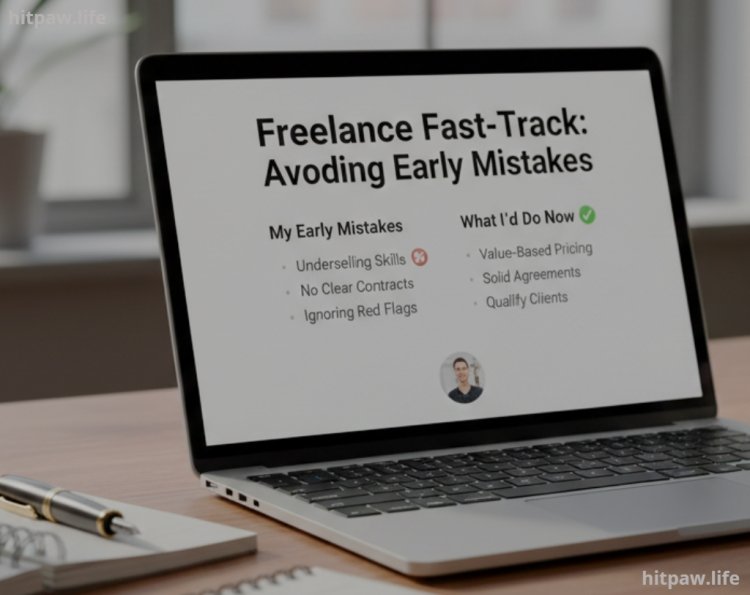
The Real Mistakes That Hurt My Freelance Growth
Mistake #1: Trying to Do Everything for Everyone
In the beginning, I offered every service I could think of. If someone asked for design, writing, social media, or website tweaks, I said yes. I believed versatility would help me get more clients. Instead, it made my profile confusing and weak.
Clients didn’t know what I specialized in, and neither did I. My proposals lacked focus, and I attracted mostly low budget clients who wanted quick work without long term value.
Once I narrowed my services and focused on what I did best, my client quality improved noticeably.
Mistake #2: Underpricing My Services Out of Fear
I priced my services very low because I was afraid clients would reject me. I thought cheap pricing would help me gain experience. While I did get work, it came with serious downsides.
Low paying clients demanded more revisions, ignored boundaries, and often delayed payments. I worked longer hours and earned less than expected.
When I gradually increased my rates and clearly explained my value, fewer clients applied but the ones who did were serious and respectful.
Mistake #3: Skipping a Proper Portfolio
I assumed clients would trust me based on my skills alone. I applied for projects without a solid portfolio and used generic samples that didn’t match client needs.
This resulted in low response rates and frequent rejections. Clients want proof, not promises.
I later built a focused portfolio using real and sample projects that matched my niche. That single change significantly improved my conversion rate.

Mistake #4: Sending Generic Proposals
I used to copy and paste the same proposal for every client. I believed speed mattered more than personalization. In reality, clients could immediately sense the lack of effort.
After I started reading job descriptions carefully and addressing specific client problems, responses increased. Personalized proposals took more time but delivered better results.
Mistake #5: Ignoring Communication Skills
Early on, I focused only on delivering work and ignored communication. I didn’t ask enough questions, clarify expectations, or confirm deadlines.
This caused revisions, misunderstandings, and frustration on both sides. Clear communication later became one of my strongest freelance advantages.
What I Got Wrong the First Time
The biggest mistake I made was believing freelancing was just about completing tasks. I didn’t treat it like a business. I had no structure, no client screening process, and no clear workflow.
Once I started tracking my time, documenting processes, and setting boundaries, freelancing became predictable and less stressful. Treating freelancing as a business changed everything.
Materials I Actually Used
Laptop with stable internet
Google Docs for proposals and documentation
Trello for task tracking
PayPal and Wise for payments
Simple portfolio website
Spreadsheet for income tracking
These tools weren’t expensive or complex, but they helped me stay organized and professional.
Step by Step: How I Fixed My Freelance Mistakes
Step 1: Chose One Clear Niche
I analyzed my strongest skills and market demand. I selected one main service and refined it.
Step 2: Built a Targeted Portfolio
I created samples tailored to my ideal client’s needs instead of random examples.
Step 3: Improved Proposal Structure
Each proposal addressed the client’s problem, solution, timeline, and expected outcome.
Step 4: Set Clear Boundaries
I defined revision limits, timelines, and payment terms before starting work.
Step 5: Tracked Performance
I tracked income, time spent, and client feedback to improve continuously.
Practical Examples From My Experience
One of my earliest clients paid very little but demanded daily updates and unlimited revisions. At that time, I accepted it out of fear of losing work. Later, I declined similar offers and focused on clients who respected my process.
Another turning point was when I stopped responding to every job posting and focused only on well matched opportunities. My acceptance rate improved even though I applied less.
Real Feedbacks I Received From Clients
Clients started complimenting my clarity, communication, and reliability. Repeat clients became common. Referrals started coming without extra marketing.
That shift happened not because I became more talented, but because I stopped making beginner mistakes.
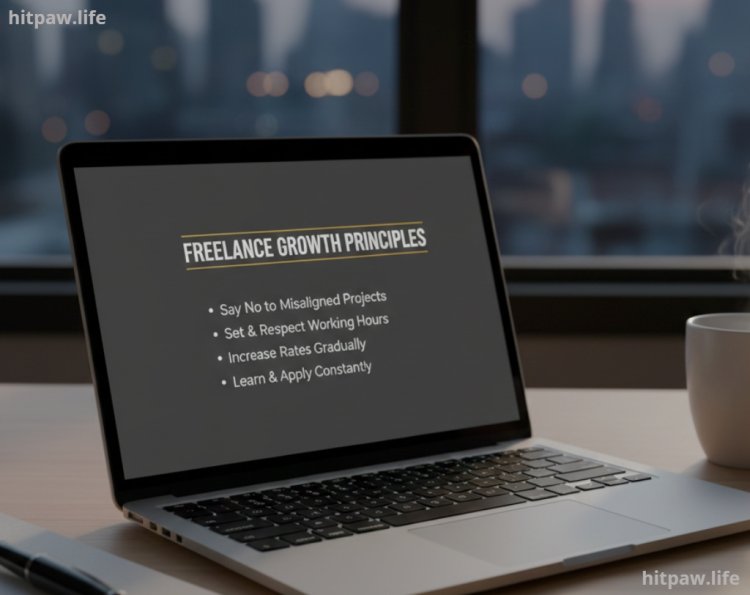
Tips to Avoid Freelance Burnout Early
Say no to projects that don’t align with your goals
Set working hours and respect them
Increase rates gradually instead of staying stuck
Keep learning but apply what you learn
Conclusion
Freelancing isn’t difficult because of competition; it becomes difficult when beginners repeat avoidable mistakes. I learned this after struggling with unclear goals, inconsistent work, and unnecessary pressure in my early days. Once I focused on clarity, patience, and steady improvement, everything started to feel more manageable.
If you’re just starting, don’t rush results. Build simple systems, communicate clearly with clients, and position yourself honestly. Every small correction you make early saves months of frustration later. When mistakes are minimized, confidence grows naturally, income becomes more stable, and freelancing turns into a sustainable long term career rather than a stressful experiment.
FAQs
1. What is the biggest mistake beginners make when starting freelancing?
From my experience, the biggest mistake is starting without clarity no clear service, no niche, and no pricing strategy. I tried to offer everything to everyone, which only confused clients and wasted my time. Once I narrowed my focus, clients understood my value faster and conversations became easier.
2. Is it a mistake to work for very low prices at the beginning?
Yes, and I learned this the hard way. Low pricing may help you get initial projects, but it often attracts difficult clients who don’t respect your time. I realized it’s better to price fairly and clearly explain the value you provide rather than racing to the bottom.
3. Should beginners rely on only one freelance platform?
Relying on a single platform is risky. Early on, I depended on just one marketplace, and when work slowed down, my income stopped. Diversifying platforms and combining them with direct outreach helped me create stability and reduce stress.
4. How important is a portfolio when you’re just starting out?
A portfolio is critical even if it includes self made or practice projects. I delayed building mine because I thought “real clients” mattered more. Once I created targeted samples, clients started trusting me faster, even without long experience.
5. Is saying “yes” to every project a mistake?
Absolutely. I used to accept every project out of fear of missing opportunities. This led to burnout and poor quality work. Learning to say no helped me protect my time, improve my results, and actually earn more in the long run.
6. Can poor communication really hurt freelancing success?
Yes, more than most beginners realize. Missed messages, unclear timelines, or vague updates caused unnecessary conflicts for me early on. Clear communication builds trust, reduces revisions, and increases repeat clients.
7. How long does it take to avoid these mistakes and become stable?
There’s no fixed timeline. For me, it took months of trial and error. The key is reflecting on what went wrong, adjusting quickly, and not repeating the same mistakes. Progress comes faster once you treat freelancing like a business, not a gamble.
What's Your Reaction?