How I Landed My First Freelance Client
Discover practical tips for long term freelance success from my personal experience. Learn how to build a niche, manage clients, improve skills, and maintain consistent income without burnout.

My First Freelance Struggle: The Reality I Faced
When I first decided to start freelancing, I was excited but completely overwhelmed. I had some skills writing, basic web design, and social media but I didn’t know where to start finding clients. I spent hours perfecting my portfolio, tweaking website layouts, and writing sample projects.
Even after all that effort, I received zero responses from clients. It felt frustrating and demotivating. I remember asking myself:
“Am I missing something?”
“Do clients even notice beginners like me?”
“How long will it take to get paid work?”
Through trial and error, I discovered that the key to getting your first client is a strategic, step by step approach. This blog outlines exactly what I did, mistakes I made, lessons learned, and tips that will help you find clients faster without stress.
Tools I Used
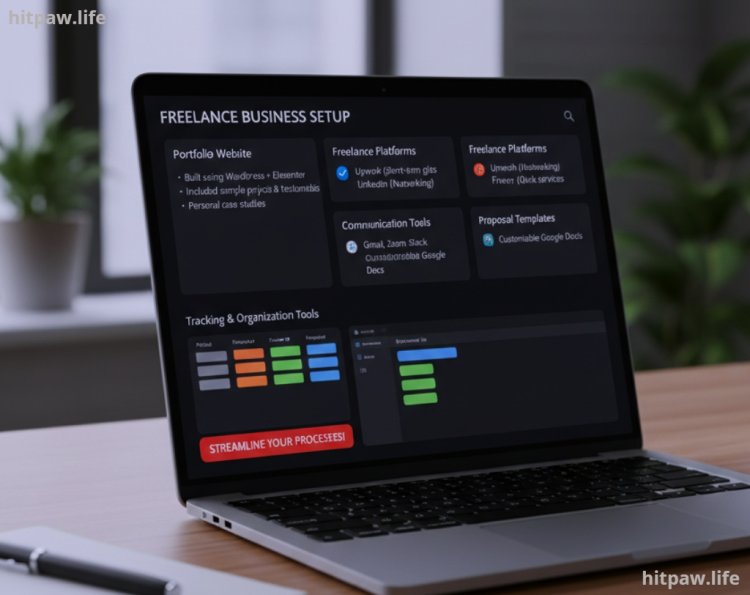
To approach my first client systematically, I relied on a set of tools and resources that made my life easier:
Portfolio Website: I built a portfolio using WordPress + Elementor. I included sample projects, testimonials from friends, and personal case studies.
Freelance Platforms: I joined Upwork, Fiverr, and LinkedIn. Each had unique benefits: Upwork for short term gigs, LinkedIn for networking, and Fiverr for testing quick small services.
Communication Tools: Gmail, Zoom, and Slack for proposals, calls, and client discussions.
Proposal Templates: I created customizable Google Docs templates for pitching different types of clients.
Tracking & Organization Tools: I used Trello to track every pitch, follow up, and client response.
Step 1: Identify My Skills and Strengths
Before looking for clients, I had to understand what I could offer confidently. I made a list of all my skills, including writing, website design, and social media management. Then I asked myself:
Which services do I enjoy doing most?
Where can I deliver high quality work?
What problems can I solve for clients?
I narrowed my focus to writing and social media services, because I could deliver these quickly and confidently, even as a beginner. Focusing helped me stand out rather than trying to do everything.
Step 2: Build a Solid Portfolio
Since I didn’t have real clients yet, I created mock projects that looked professional:
Blog posts: I wrote 3 to 5 sample articles in my niche.
Social media campaigns: I designed sample posts, captions, and engagement strategies for a fictional brand.
Mini websites: Using Elementor, I built mock landing pages.
These samples became proof of my skills, and clients responded positively when they could see results instead of just words.
Pro Tip: Always include a short description of what the project achieved even if it’s fictional. It shows you think about results, not just the task.
Step 3: Choose the Right Platforms Strategically
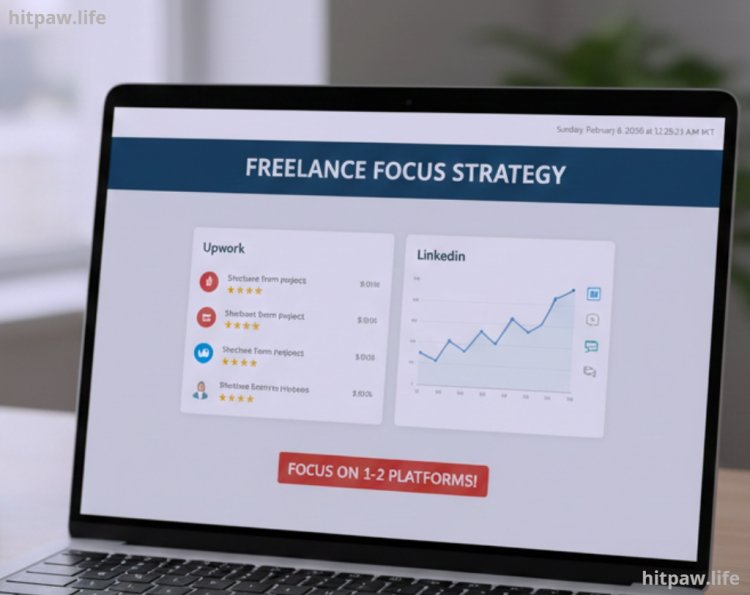
I initially wasted time scattering efforts across every freelance platform. I quickly learned that focusing on 1 to 2 platforms gave better results.
Upwork: Good for structured short term projects. I started with small gigs to get reviews.
LinkedIn: Great for networking. I sent personalized messages to potential clients, showcasing my work.
Fiverr: Used to test small services and discover what clients were willing to pay for.
The key was not overloading myself but focusing on platforms where my skills were in demand.
Step 4: Craft Personalized Pitches
One major lesson I learned is that generic pitches don’t work. I began to research each client:
Their industry and current projects.
Their website or social media presence.
Problems they might be facing.
Then I wrote custom proposals, addressing their specific needs instead of just listing my skills. For example:
This approach increased my response rate dramatically.
Step 5: Follow Up Without Pressure
Following up is critical but tricky. Initially, I waited for clients to respond and got nowhere. I learned to:
Wait 3 to 5 days after sending a proposal.
Send a polite follow up email, reminding them of my pitch and offering to answer questions.
Keep it short, friendly, and value focused.
Many clients appreciate the reminder, and it often makes the difference between getting a reply and being ignored.
Step 6: Negotiate and Deliver
When a client finally responded, I made sure to clarify project scope, deadlines, and pricing. Initially, I underpriced myself, thinking clients wouldn’t hire beginners otherwise. I realized:
Fair pricing reflects your skills and professionalism.
Over delivering on small extras helps build trust and future referrals.
Clear communication prevents misunderstandings later.
Real Life Examples That Worked for Me
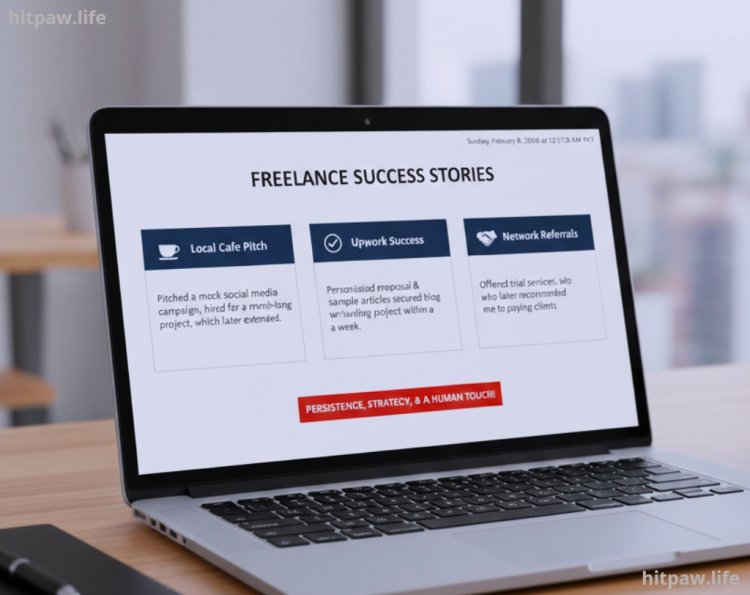
Local Coffee Shop Pitch: I noticed a small café struggling with social media. I pitched a mock social media campaign, and they hired me for a month long project, which later extended.
Upwork Success: I bid for a blog writing project. My personalized proposal and sample articles convinced the client to hire me within a week.
Network Referrals: I offered trial services to friends, who later recommended me to paying clients.
These examples prove that persistence, strategy, and a human touch matter more than luck.
What I Got Wrong the First Time
At first, I made several mistakes:
Sent too many generic proposals, hoping volume would work.
Undervalued my services, thinking low pricing would attract clients.
Tried to do everything for everyone, diluting focus.
I corrected these by:
Narrowing my focus to clients that fit my skills.
Personalizing each pitch.
Setting fair rates that reflected value.
Tips for Long Term Freelance Success
1. Focus on a Niche: Specializing in a specific area helps you attract better clients and command higher rates. I found that narrowing my services made pitching easier and projects more enjoyable.
2. Keep Learning: Freelancing trends and tools evolve quickly. I dedicate time weekly to learn new skills or improve existing ones, which keeps me competitive.
3. Build Relationships: Your network is invaluable. I maintain connections with past clients and peers, which often leads to referrals and repeat work.
4. Track Your Time & Income: I use simple spreadsheets to monitor how long projects take and which clients are most profitable. This prevents burnout and improves decision making.
5. Set Boundaries: Knowing when to say no protects your sanity and quality of work. I learned early that overcommitting leads to rushed, subpar results.
6. Invest in Tools: Using professional tools like Trello for project management or Canva for quick design work keeps my workflow smooth and clients impressed.
7. Ask for Feedback: Constructive criticism helps me grow. I always follow up after projects to understand what I did well and what I can improve.
8. Celebrate Milestones: Recognizing small wins keeps me motivated. Whether it’s landing a new client or completing a tough project, celebrating reinforces long term commitment.
Wrapping It Up
Finding your first freelance client is a journey of preparation, persistence, and learning from real experiences. For me, landing that first client required strategic use of platforms, personalized proposals, and showcasing a strong portfolio that demonstrated my skills.
It’s important not to rush the process. Take time to experiment with different approaches, track what works, and refine your strategies. Remember, your first client is more than just a paycheck it’s the starting point for your freelance career.
Over time, consistently applying these lessons helps build reliable income, stronger confidence, and more refined skills, setting a solid foundation for long term freelance success.
FAQs
1. How do I identify my ideal freelance client?
I found that the best clients are those whose projects match my strengths and interests. I focus on clients who value quality, pay fairly, and communicate clearly. Knowing your ideal client helps you pitch with confidence.
2. Do I need a portfolio to get my first client?
Not necessarily, but having some work samples even mock projects helps a lot. When I started, I created sample blog posts and social media campaigns, which convinced my first client that I could deliver results.
3. Which platform should I start with as a beginner?
I started with Upwork and LinkedIn. Upwork helped me land structured short term projects, while LinkedIn allowed me to network and find higher paying clients directly. Focus on 1 to 2 platforms initially to avoid overwhelm.
4. How should I price my first freelance project?
I initially undervalued myself, but I learned to charge fairly based on my time, skills, and value to the client. Even as a beginner, pricing too low can reduce perceived professionalism.
5. How do I write proposals that get noticed?
Personalization is key. I research each client’s needs, reference their current work, and explain exactly how I can solve their problem. Generic proposals rarely get responses.
6. How long does it take to get the first client?
It varies, but with persistence, preparation, and targeted pitches, I landed my first client in around 2 to 3 weeks. Following up politely and being consistent is critical.
7. Should I accept unpaid or trial work?
Only if it adds portfolio value or a strong referral opportunity. Otherwise, focus on paid projects to establish professionalism and build sustainable income.
8. How do I handle rejection from potential clients?
Rejection is part of the process. I treat it as feedback an opportunity to refine proposals, improve my portfolio, and approach the next client with better preparation.
What's Your Reaction?