Digital Creator Habits That Improve Creativity
Discover practical daily habits of successful digital creators. Learn how to organize your workflow, maintain creativity, and stay productive without burnout.

Key Points Regarding Digital Creator Habits
Creativity is not just inspiration it’s habits, tools, and routines combined.
Small daily actions compound into major creative growth.
Structured workflow prevents burnout and keeps ideas fresh.
Reflection, learning, and experimentation are critical for long term improvement.
Why I Needed Better Habits
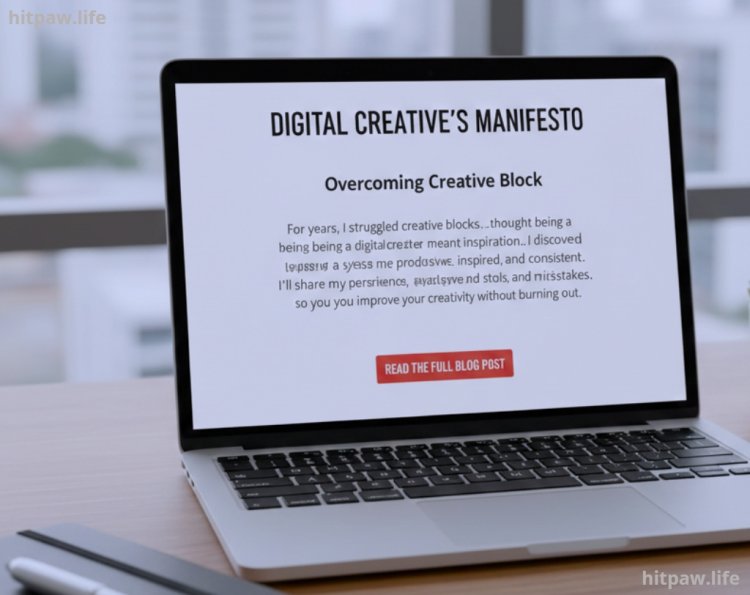
For years, I struggled with creative blocks. I’d sit in front of my computer, stare at a blank canvas, and waste hours scrolling on Instagram. I thought being a digital creator meant waiting for inspiration to strike but that only led to frustration.
After experimenting with different routines, tools, and habits, I discovered a system that keeps me productive, inspired, and consistent every day. In this blog, I’ll share my personal experience, step by step workflows, tools, and mistakes I made along the way, so you can improve your creativity without burning out.
Materials I Use to Boost Creativity
To be creative consistently, the right tools are essential. Here’s what I rely on:
Notion For daily planning, brainstorming ideas, and organizing projects.
Trello / Asana For tracking ongoing tasks and deadlines.
Adobe Creative Cloud (Photoshop, Illustrator, Premiere Pro) Core tools for content creation.
Obsidian / Evernote Journaling ideas, storing references, and knowledge management.
Pomodoro Timer / Focus Apps (Forest, Focus Keeper) For focused deep work sessions.
Canva / Figma Quick visual prototypes for social media or client presentations.
Spotify / Lo-fi Playlists Music that enhances concentration.
Standing Desk & Ergonomic Chair Physical comfort is critical for long hours of creative work.
Tip: Having tools ready and organized reduces friction and keeps mental energy for creative thinking rather than searching for assets or files.
Step by Step Daily Workflow That Improved My Creativity
Step 1: Morning Creative Ritual
I start every day with 20 to 30 minutes of journaling or sketching, completely offline. No phone, no notifications. This warm up allows me to collect ideas, process thoughts, and explore creativity without pressure.
Morning journaling: I write down ideas, content themes, or concepts I want to explore.
Sketching / Doodling: Visual thinking helps me generate design concepts quickly.
Tip: Keep a small notebook or tablet handy. Some of my best content ideas came from random sketches while sipping morning coffee.
Step 2: Plan Your Day With Focus Blocks
I divide my day into 2 to 3 deep work sessions, each lasting 50 to 90 minutes. I follow the Pomodoro technique for better focus.
Example Schedule:
10:00 AM to 11:00 AM: Video editing
11:15 AM to 12:15 PM: Social media graphics
2:00 PM to 3:00 PM: Brainstorming new content ideas
Practical Lesson: When I tried random creative bursts without planning, I wasted hours hopping between tasks. Blocking focused time ensures consistent output.
Step 3: Use Tools That Reduce Friction
Early on, I wasted time recreating templates or hunting for assets. Tools like Canva templates, Notion boards, and Trello task lists save hours weekly.
Real Example:
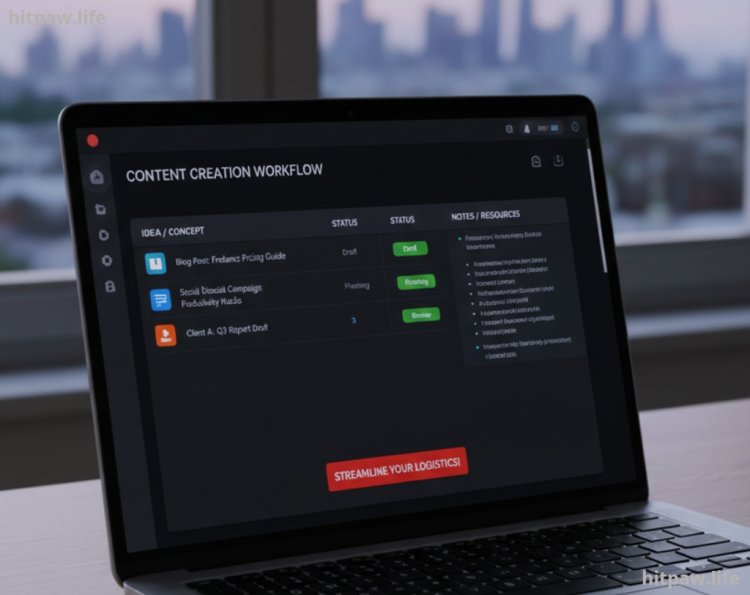
I created a Notion template for content creation:
Column 1: Idea / Concept
Column 2: Status (Planning / Draft / Review / Published)
Column 3: Notes / Resources
Now, I spend less time thinking about logistics and more time being creative.
Step 4: Take Breaks That Recharge
Scrolling social media during breaks destroys creativity. I now take walks, meditate, or stretch.
Maintenance Table Example
|
Time |
Activity |
Purpose |
Notes |
|
10:50 |
Short walk |
Mental reset |
No phone |
|
12:15 |
Tea & stretch |
Refresh |
Quick snack only |
|
3:00 |
Meditation |
Calm mind |
5 to 10 mins |
Tip: Micro breaks boost energy and prevent burnout, especially during long video editing or design sessions.
Step 5: Reflect Daily
At the end of the day, I review what I achieved, what went well, and what drained energy.
Reflection Method:
Write 3 things that worked today
Write 1 thing that blocked creativity
Plan one improvement for tomorrow
Why it Works: Reflection uncovers habits that hinder creativity and highlights patterns that lead to productive days.
Step 6: Weekly Learning Deep Dive
Once a week, I dedicate 1 to 2 hours to learning: tutorials, new apps, or content trends.
Real Example:
Watching a Premiere Pro tutorial improved my editing speed by 40%.
Exploring Canva design trends gave me fresh ideas for social media posts.
Tip: Never stop learning. Small, consistent improvements compound over months and years.
Daily Habits That Boosted My Creativity
Consistent Sleep Schedule I aim for 7 to 8 hours; sleep deprivation kills creativity.
Exercise Even a 20 minute walk boosts brain function and idea generation.
Mindful Breaks No phones during breaks; just movement or meditation.
Idea Journaling Every idea, no matter how small, goes into a Notion or physical notebook.
Batching Tasks Group similar tasks to reduce switching costs (editing, designing, posting).
Set Boundaries Work time is work time; personal time is personal time.
What I Got Wrong the First Time
Overloading Tasks: I tried creating videos, graphics, and writing in one day burnout followed.
Ignoring Breaks: Constant work decreased output quality.
No Reflection: I repeated mistakes without realizing patterns.
Skipping Learning: Creativity plateaued until I dedicated weekly learning sessions.
Tips From My Experience
One thing I’ve learned after months of trial and error is that small, consistent habits beat big, sporadic efforts. For example, I used to try tackling all my creative tasks at once, which led to burnout. Now, I break my work into focused sessions usually 60 to 90 minutes followed by short breaks.
Another tip: use the right tools, but don’t overcomplicate things. I’ve found that having a few well chosen apps for task management and note taking saves more time than juggling dozens.
Finally, review your day. Spending 5 to 10 minutes reflecting on what worked and what didn’t helps me adjust my workflow continuously. This small habit keeps me productive and my ideas fresh.
Practical Examples From My Projects
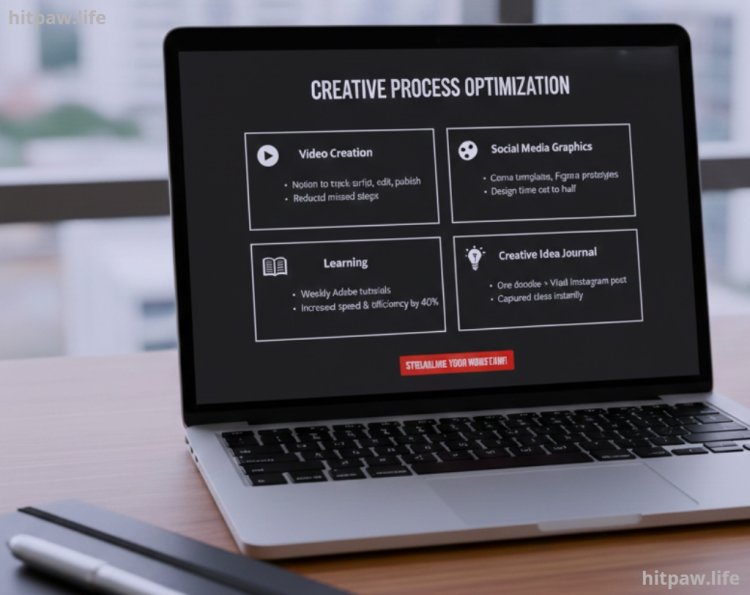
Video Creation: Using Notion to track scriptwriting, editing, and final publishing reduced missed steps and improved consistency.
Social Media Graphics: Canva templates and Figma prototypes cut design time in half.
Learning: Weekly Adobe tutorials increased my editing speed and efficiency by 40%.
Creative Idea Journal: One doodle turned into a viral Instagram post because I captured the idea instantly.
Wrapping It Up
After months of experimenting with routines, tools, and habits, I realized that creativity is not about waiting for inspiration it’s about building a system that supports it daily. Small habits, consistent focus, and reflection create momentum.
· Start your day with a simple creative ritual.
· Protect your focus with structured work sessions.
· Use tools to save time, not add stress.
· Reflect and learn regularly to keep ideas fresh.
By treating creativity as a daily practice rather than a random spark, I found myself producing more, stressing less, and feeling more confident in my work. This approach works because it’s practical, repeatable, and grounded in real experience, not theory.
FAQs About Digital Creator Habits
1. What daily habits help digital creators stay productive?
Consistent work blocks, daily planning, and setting clear priorities are key habits. I also schedule short breaks to prevent burnout.
2. How do creators maintain creativity regularly?
Many creators, including me, dedicate time to exploring new ideas, reading, or learning skills unrelated to their main work. This keeps the mind fresh and creative.
3. Should I stick to a strict schedule as a digital creator?
Flexibility is important, but having a routine like fixed work hours or creative sessions helps maintain focus and consistency over time.
4. How do creators handle distractions?
I use techniques like the Pomodoro method, turning off notifications, and creating a distraction free workspace to stay focused.
5. How important is self reflection for digital creators?
Very important. Reviewing your daily wins and mistakes helps improve workflow, creativity, and long term habits.
6. Can bad habits affect creativity?
Yes. Irregular sleep, multitasking excessively, or inconsistent work hours can reduce productivity and creative output.
7. How do successful creators balance work and rest?
Most maintain a clear boundary between work and personal time, ensuring breaks and downtime to recharge and avoid burnout.
What's Your Reaction?